For plant, unit and industrial hiring teams in India
Find the fitters who can reach your gateand actually read a micrometer
It's 7:10am, general shift has started two operators short, and the supervisor has called you twice. RecruitKar reads every applicant against the requirement you actually wrote and leaves a ranked list to work before second shift.

What one open operator req actually costs you
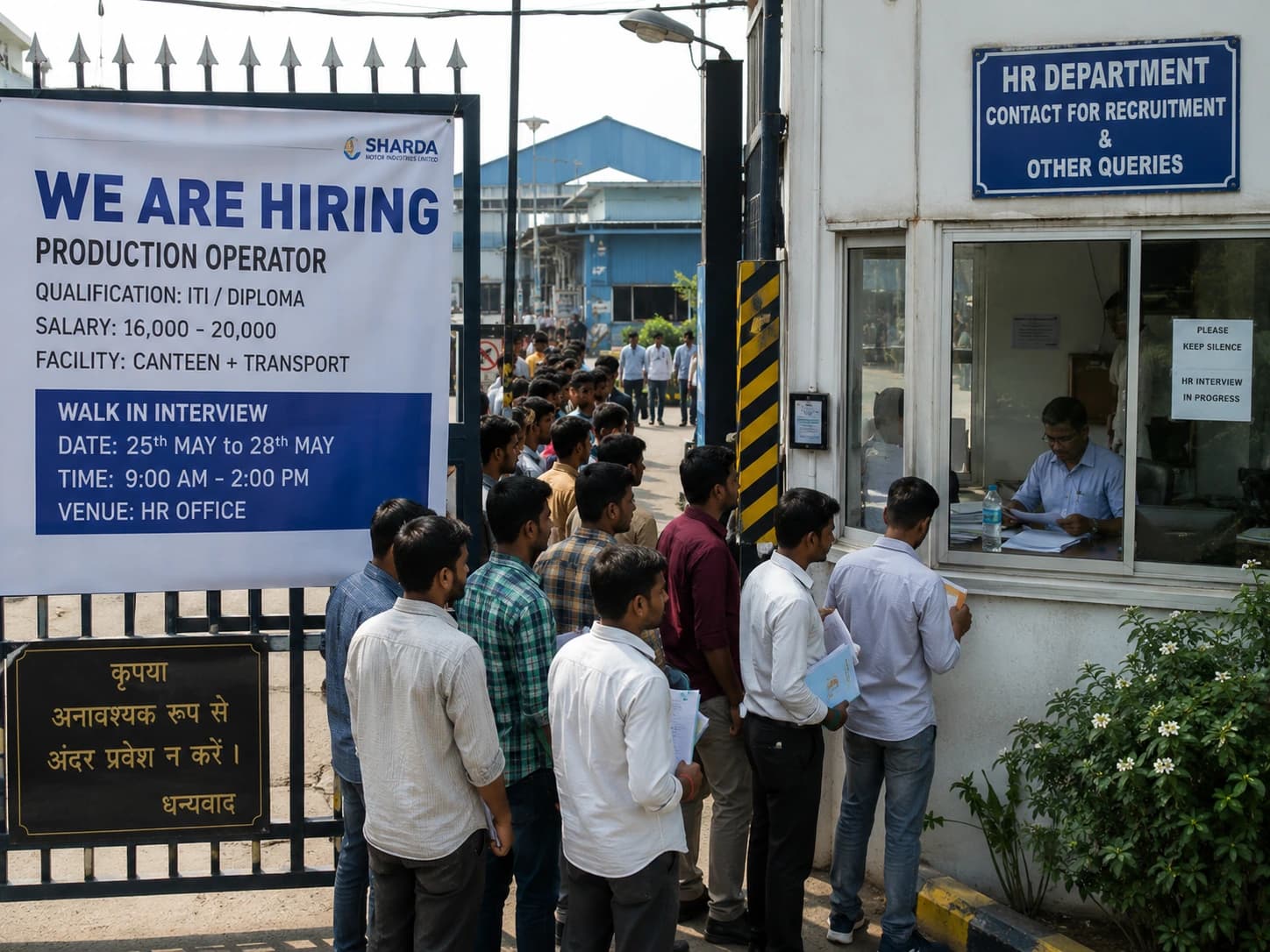
The same week, twice
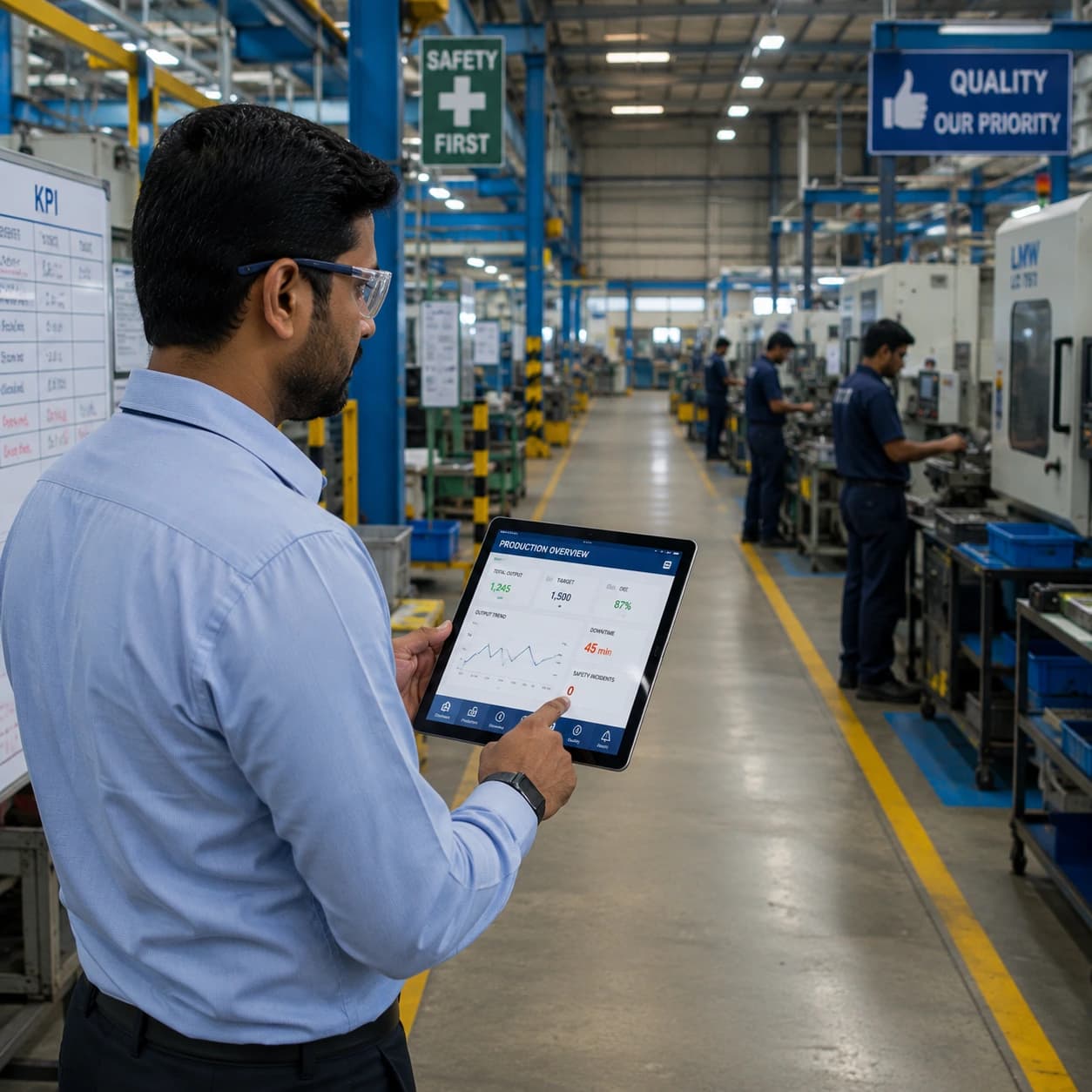
One operator req, two versions of the same week
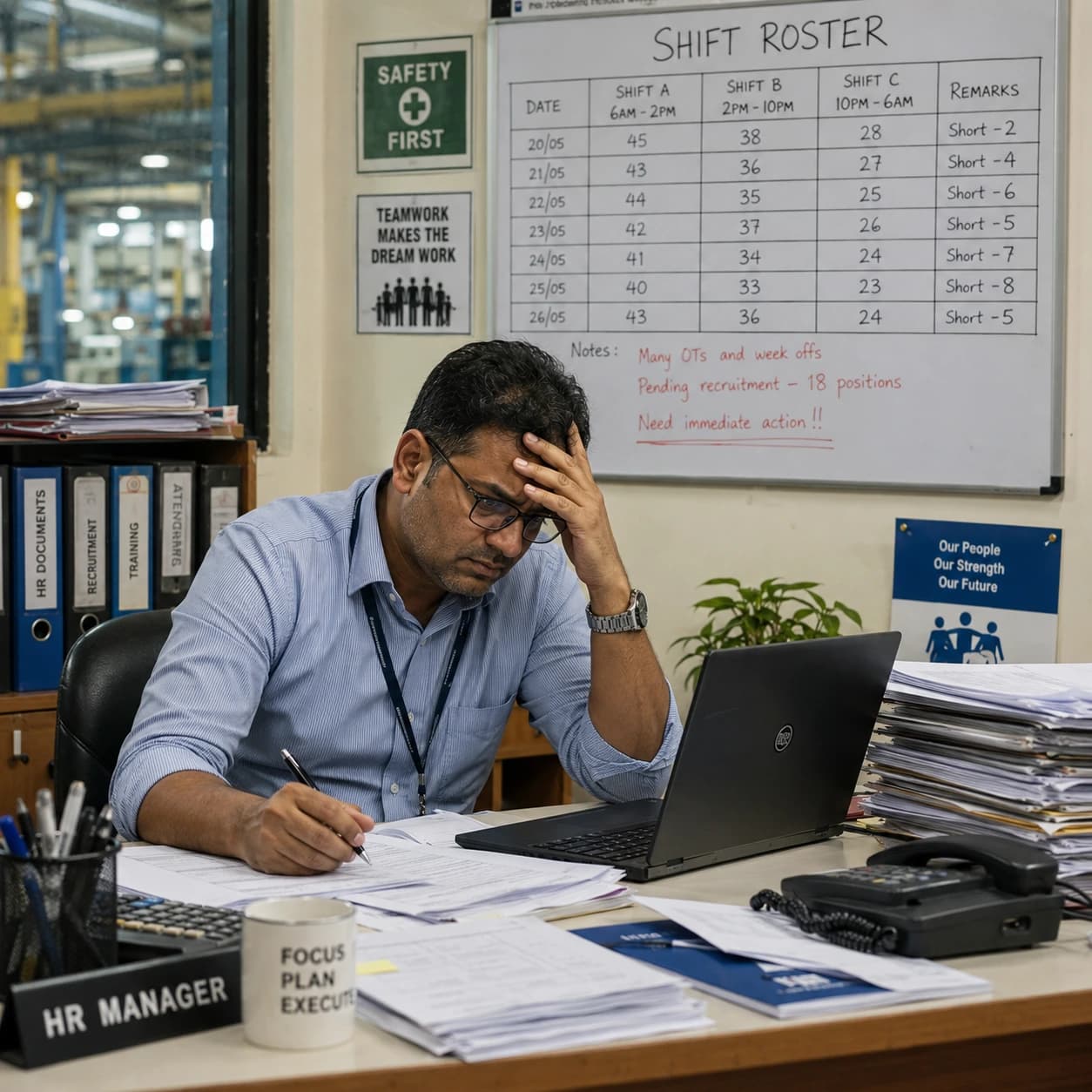
Photocopies from Saturday's walk-ins in a pile, names copied into a register in whatever order they queued, and forwarded resumes you download one at a time. Two hours gone before you have read a single line.
Upload the whole folder at 0.5 credit a resume, tick the applicants on your Naukri, Indeed or Shine tab at 0.5 each, and put the apply link up as a QR on the gate notice board. It all lands on one job with duplicates merged into one card.
You search for ITI, fitter, and a pin code you recognise. Every CV has all three, because everyone knows what to write. So you go by who looks closest on paper and who picks up first.
Every profile carries a score against your JD, a verdict from strong fit to not fit, the trade skills matched and missing named one by one, red flags, and questions to ask that specific person.
Sixty numbers copied into WhatsApp, the same message typed sixty times, and no record of who replied on Tuesday and who never did.
WhatsApp templates with 24-hour conversations, an AI voice call, or a bulk email with merge fields, all run off the same ranked list. Email is 1 credit per candidate ever, not per message.
Two evenings on the phone asking the same six things: where do you stay, how will you come daily, is rotational shift alright, which trade, NCVT or SCVT, what is your current in-hand.
An AI voice or video interview in his own language, 11 and more of them supported, recorded, with proctoring events, a scorecard and a hiring recommendation sitting on the card when you open it.
Five names pasted into WhatsApp at 10pm, then two days of chasing for a yes or a no while the candidate takes a call from somebody else.
A teammate reviews it internally before anything leaves. Then it goes out with only the fields you chose to show, and the approve, reject or note comes straight back onto the candidate.
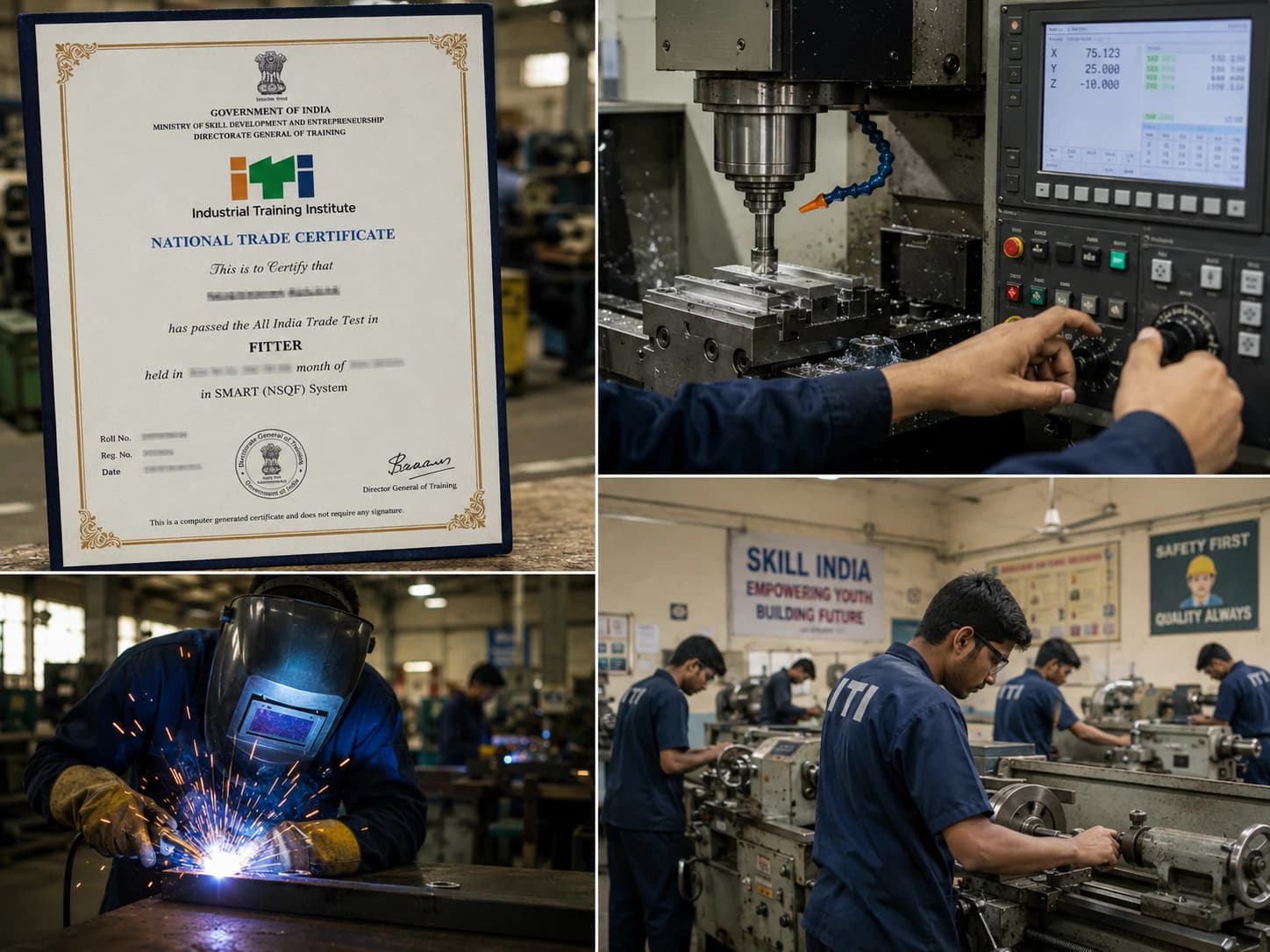
The part only plant hiring deals with
Nearby is a skill requirement, not a preference
A very good CNC setter sitting in Coimbatore is not a candidate for your Chakan unit. He is a strong profile and a wasted phone call. Distance here is not a lifestyle question the way hybrid versus office is somewhere else: it decides whether a man is still on the line in week three, because general shift starts at 7 and the last bus back goes at 9. National job boards are built to do the opposite of what you need, because reach is the thing they are rewarded for, so a fitter search hands you three hundred names and nothing on any card tells you who can be at the gate by 7. The answer is not a wider search. It is controlling where the intake comes from, and then reading the trade properly once it is in front of you.
You decide the catchment, not a national database
Filter to your taluka on the board's own tab, tick the applicants, and the extension brings them across at 0.5 credit each. Put the apply link as a QR on the gate board and at the ITI down the road. Upload the folder of walk-in CVs. Drop the manpower vendor's list in as a CSV. AI discovery across external profile databases is there if you want it, not a step you have to pass through to use anything else.
The trade certificate gets named, not assumed
Matched skills and missing skills come back individually, so ITI fitter NCVT, Fanuc setting, vernier and micrometer, 6G welding each sit on one side or the other of your req. Say it straight: RecruitKar does not verify a roll number or ring the institute. What it stops is the claim going unexamined. It hands you questions to put to that person, and a recorded AI voice interview can put them to him before your supervisor gives up a morning on the shop floor.
Too far for one unit is next door to another
You run more than one plant, and the man who is 45 km from Chakan is a fifteen-minute ride from Bhosari. Reusing a candidate on another of your own jobs is free, and he is re-scored against that JD, so the same person can be borderline on one req and a strong fit on the next. Nobody has to be sourced twice because your units are in different places.
In practice
How it works, before the next shift change
Set the unit up once, and write the requirement like the line needs it
Add the client or group, then the department, then the job, so each unit stays completely separate. Then paste the real requirement: trade, machine and control, shift pattern, in-hand range, where the plant is. Not operator required, 3 nos. Everything after this is scored against what you wrote, and a two-line req comes back with empty dimensions rather than a flattering number.
Bring people in from where they already are
Upload the folder of walk-in resumes. Tick your Naukri, Indeed and Shine applicants with the browser extension. Share the apply link as a QR at the gate. Drop last season's register in as a CSV. Pull a LinkedIn profile for the shift supervisor or QC engineer role. Or let AI discovery search external databases. One ranked pipeline, and the person who arrived three ways is one card.
Work the top of the list, not the whole register
Read the verdicts, the missing trade skills and the red flags, then WhatsApp, voice-call or email from the same screen. Move people through the seven stages, from new to shortlisted to hired. Put a per-member credit cap on each recruiter, and hold a member's candidate for internal approval before it reaches the client.
What it costs, in credits
Straight answers
Will this work for me?
“My workers are not on job portals. Half of them are here because a cousin already works on the line.”
Then do not source. Upload the gate walk-in folder at 0.5 credit a resume. Put the apply link up as a QR so referrals arrive as cards with a score instead of forwarded images in a WhatsApp group. Drop the vendor list and last season's register in as CSVs. All of it gets read against the same JD. AI discovery is available if you ever want it, and ignorable if you do not.
“Can it tell me who genuinely lives near my plant? That is my entire problem.”
Partly, and here is the honest edge of it. RecruitKar scores a profile against the JD you wrote. It does not run a commute calculation and it cannot confirm that the address on the CV is where he actually sleeps. What it does is keep the intake from going national: you tick the applicants your own board filter already narrowed, you collect gate and ITI applicants on your own link, and a voice call asks the travel and shift question before your supervisor gives up a morning.
“An ITI certificate on a CV means nothing. Anybody can type NCVT and a year.”
Correct, and RecruitKar does not verify roll numbers or call the institute. It reads what the profile claims and names it, so if the trade certificate is not there at all it comes back as a missing skill rather than being assumed. Then you get questions to ask this person, and a recorded AI interview can put them to him before he is called in. Verification stays a human step. Deciding who is worth verifying does not have to be.
“My supervisors will not open software. They want a name and a phone number.”
They never have to log in. You work the ranked list, and what reaches the supervisor or the plant head is the five names with reasons attached. If it is a client rather than your own plant, the share carries only the fields you chose to show, and their approve, reject or note lands back on the candidate. Nothing goes out until you send it.
“An AI interview in English will lose me half my candidates on the first line.”
Fair worry, which is why it runs in 11 or more languages, recorded, with proctoring events, a scorecard and a recommendation. Use it as the screen, not as the panel: it is there to replace the two evenings of asking six identical questions, not the trade test. When a profile deserves a person, schedule it through Google Calendar or Outlook on Meet, Teams, Zoom, or in-office, which for a machine role is usually the only interview that counts.
Questions
Asked before you ask them
I dropped this welder because he was 45 km from our Chakan unit. We have just opened the same req at Bhosari, which is near him. Do I pay to source him again?
No. Reusing a candidate on another of your own jobs is free, and he is re-scored against the new JD, so the same man can be borderline on one req and a strong fit on the next. Same profile, different verdict, no second charge.
The same fitter walked in at the gate, applied on Naukri, and his brother forwarded the CV on WhatsApp. Will I see him three times?
Once. The pipeline de-duplicates across every source, so those three arrivals merge into one card with one score and one history. You will not call him twice, and he will not get the same WhatsApp blast twice.
We run four units and a contract staffing arm. How do you keep them from mixing?
The structure is client, then department, then job. Each client keeps its own jobs, candidates and board, so a Ranjangaon pipeline does not surface inside a Chakan one unless you put someone there. Team accounts sit on top with a per-member credit cap, and internal review can hold a member's candidate until a teammate approves it.
I need 30 operators by month-end. Can I just blast 300 people at once?
You can. It goes out as a bulk send with merge fields, across a deliverability pool, with bounces monitored so you can see what failed. Two limits stated plainly: it is a blast tool, not per-candidate AI-written personalisation, and there is no domain warming service bundled with it. For most shop-floor roles the WhatsApp template and the voice call are the ones that get answered anyway.